

The best postpartum meal is the one you can access, tolerate, and eat. Elaborate meal prep may not be realistic, and a plate assembled from convenience foods can still provide protein, fiber, carbohydrate, fat, and micronutrients.
Use these ideas as building blocks. Adjust portions, textures, seasonings, and ingredients for your recovery, culture, allergies, and feeding needs.
Five-minute breakfasts
Try microwave oats with milk, nut butter, and banana; yogurt with granola and berries; eggs on whole-grain toast; or a smoothie with milk, fruit, oats, and nut butter. Keep at least one option that requires no cooking.
If appetite is low in the morning, split breakfast into two smaller snacks rather than skipping until late afternoon.
One-handed lunches
Wraps and sandwiches are practical: add chicken, tuna, egg, hummus, tofu, cheese, or leftover meat with vegetables and a spread. Pair with soup, fruit, or crackers.
Another option is a snack plate with cheese, boiled eggs, pita, hummus, fruit, and pre-cut vegetables. It does not need to look photogenic to be balanced.
Dinners built from shortcuts
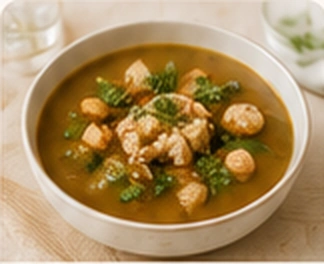
Combine rotisserie chicken or baked tofu, microwave rice, frozen vegetables, and bottled sauce. Make pasta with jarred sauce, lentils, and spinach. Heat soup and add bread, cheese, or beans. Use frozen dumplings with edamame and vegetables.
Convenience foods are tools. Check food-safety storage times, reheat leftovers thoroughly, and ask for help with cleanup.
- Keep two freezer meals and two shelf-stable meals available.
- Use grocery delivery or pickup when possible.
- Write reheating instructions on food brought by friends.
Snacks where you need them
Set up small snack baskets near your bed, feeding chair, or work area. Include nuts, trail mix, dried fruit, oat bars, crackers, shelf-stable milk, or nut-butter packets. Add fresh options when available.
If you are breastfeeding, eating enough overall matters more than buying specialty “lactation” snacks.
A simple support-person checklist
Instead of asking “How can I help?” a support person can wash fruit, portion leftovers, fill bottles, make a sandwich, take inventory, and start a grocery order. Specific tasks reduce decision fatigue.
Before birth, share favorite meals, allergies, and foods you dislike. After birth, preferences may change—stay flexible.
Build a postpartum food support station
Choose one place near where you spend time and stock water, shelf-stable snacks, napkins, and a written list of easy meals. Ask a support person to check and refill it each day rather than waiting for you to request help.
Plan one warm meal and several simple eating opportunities. Recovery needs can change quickly, so keep communicating with your medical and feeding support team.
Frequently asked questions
Do I need special foods for milk supply?
No single food guarantees milk production. Effective milk removal and clinical feeding support are central. Adequate overall food and fluids support the parent.
Is postpartum weight loss a priority?
Early recovery, nourishment, sleep, mental health, and feeding are usually more urgent. Intentional weight loss should be individualized, particularly while breastfeeding or recovering from complications.
When is fatigue more than sleep deprivation?
Seek assessment when fatigue is severe or accompanied by dizziness, shortness of breath, racing heart, heavy bleeding, fever, low mood, or difficulty functioning. Anemia, thyroid problems, infection, and mental-health conditions need care.
A final note
Choose one or two ideas that fit your current life and practice them before adding more. If symptoms are persistent, severe, or changing quickly, individualized medical care is more appropriate than internet troubleshooting.
Trusted resources
Health note: This article is educational and is not a diagnosis or a substitute for individualized medical care. Speak with your healthcare professional about symptoms, pregnancy, medications, supplements, or treatment decisions.